FOLD
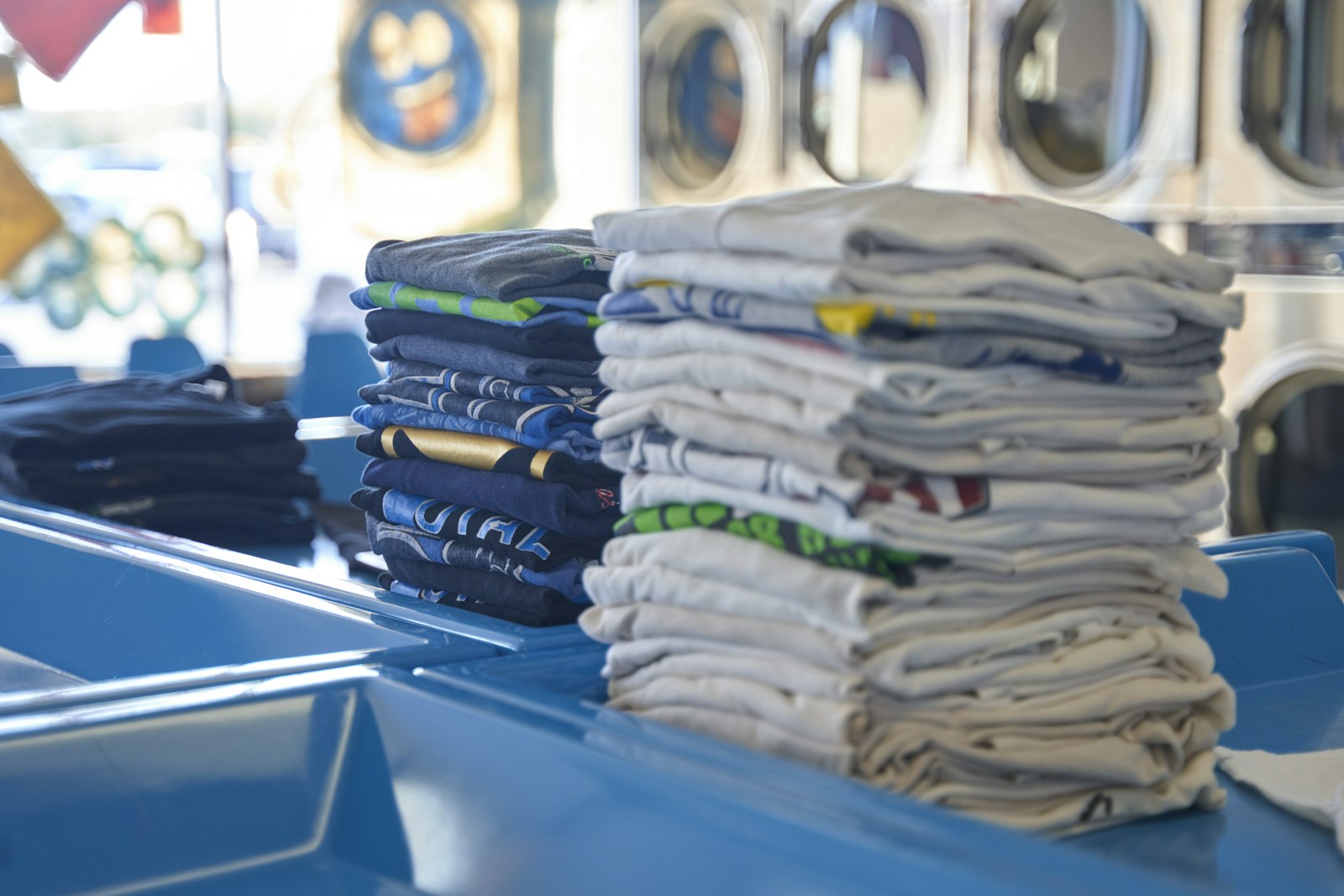
A household appliance that takes a pile of clean, dry laundry and returns it folded, sorted and stacked. Autonomously, overnight, with no human touch between dryer and drawer.
Patent application in progress
See the product →
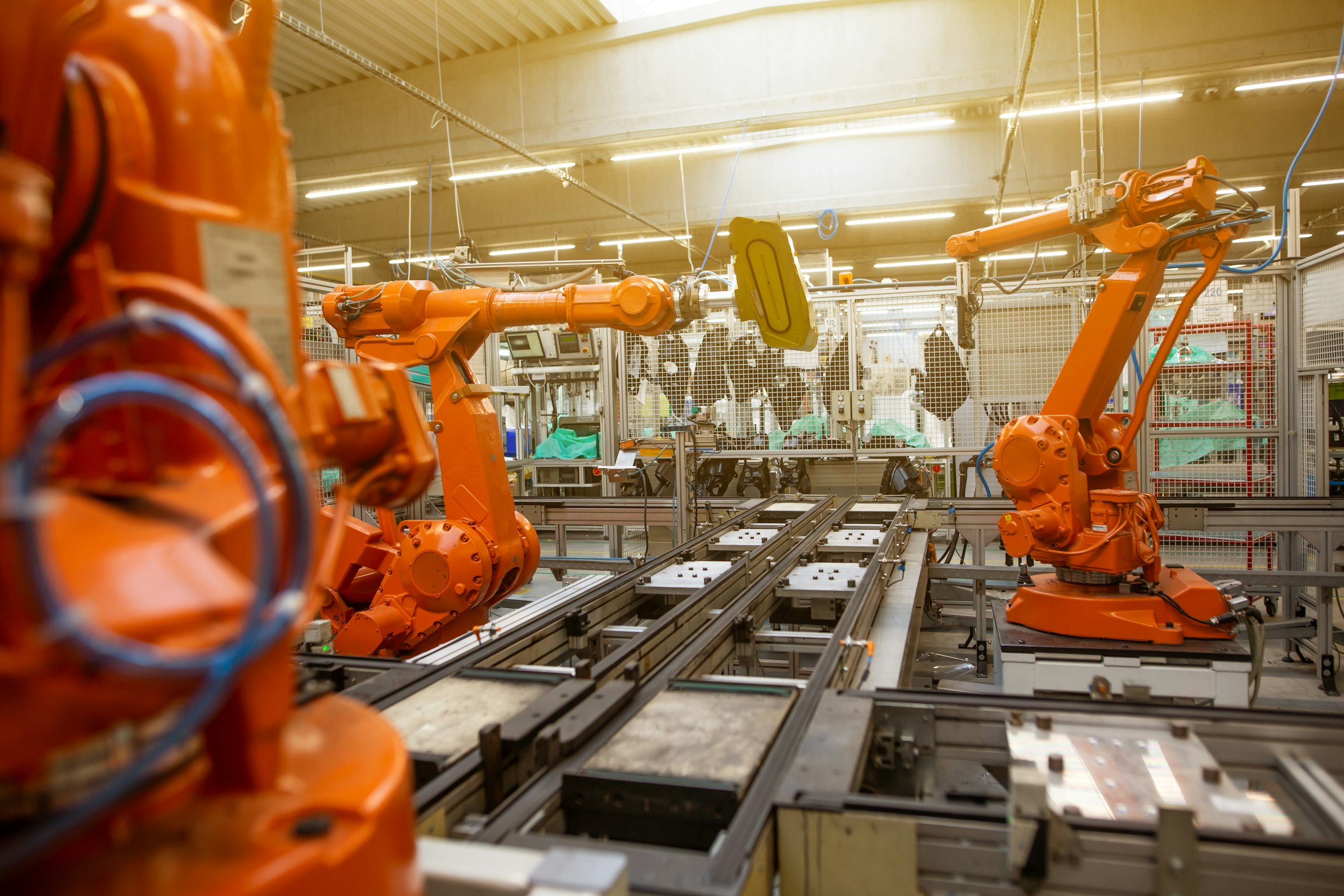
Robots have mastered the rigid world: welding, picking, assembling. What they still cannot do reliably is handle things that bend, drape, crumple and stretch.
Deformable-object manipulation is the gating problem for autonomy in laundries, logistics, apparel, medical textiles and the home. We build the perception, grasping and control stack that solves it, and the products that monetize it.
Ventra develops its platform through two complementary products. One solves a validated commercial problem today. One re-imagines a household category for tomorrow.
A household appliance that takes a pile of clean, dry laundry and returns it folded, sorted and stacked. Autonomously, overnight, with no human touch between dryer and drawer.
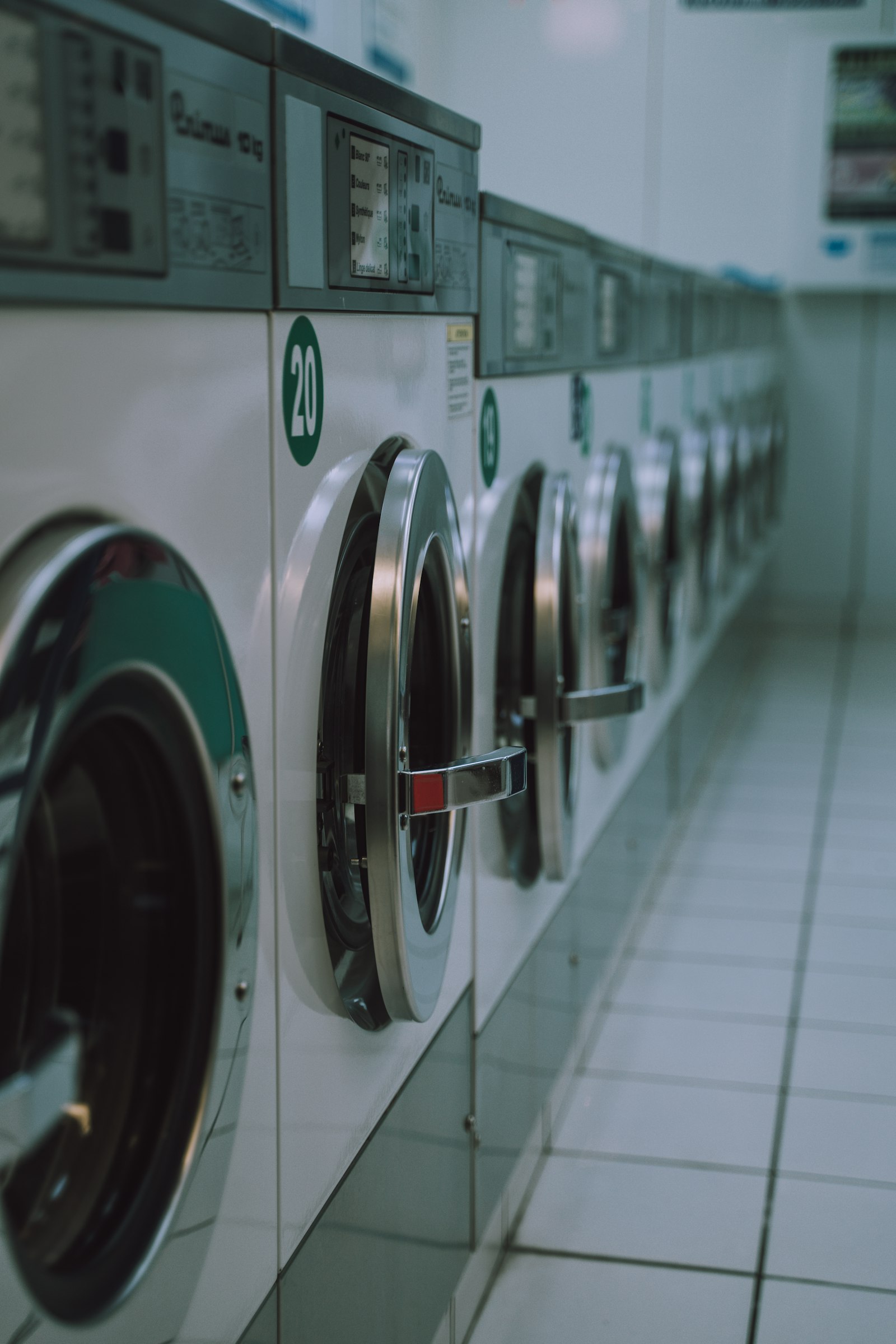
An autonomous textile-processing factory for commercial laundries serving hotels, hospitals and hospitality groups. Takes mixed dry laundry and runs the whole chain: separate, identify, orient, fold, stack, without human handling.
Commercial laundries serving hotels, hospitals and hospitality groups process thousands of towels, bedsheets, pillowcases and uniforms daily. Even where folding machines are installed, sorting, separating, feeding and handling still require human labor. FOLD Industrial takes mixed, dry laundry and does the whole chain autonomously.
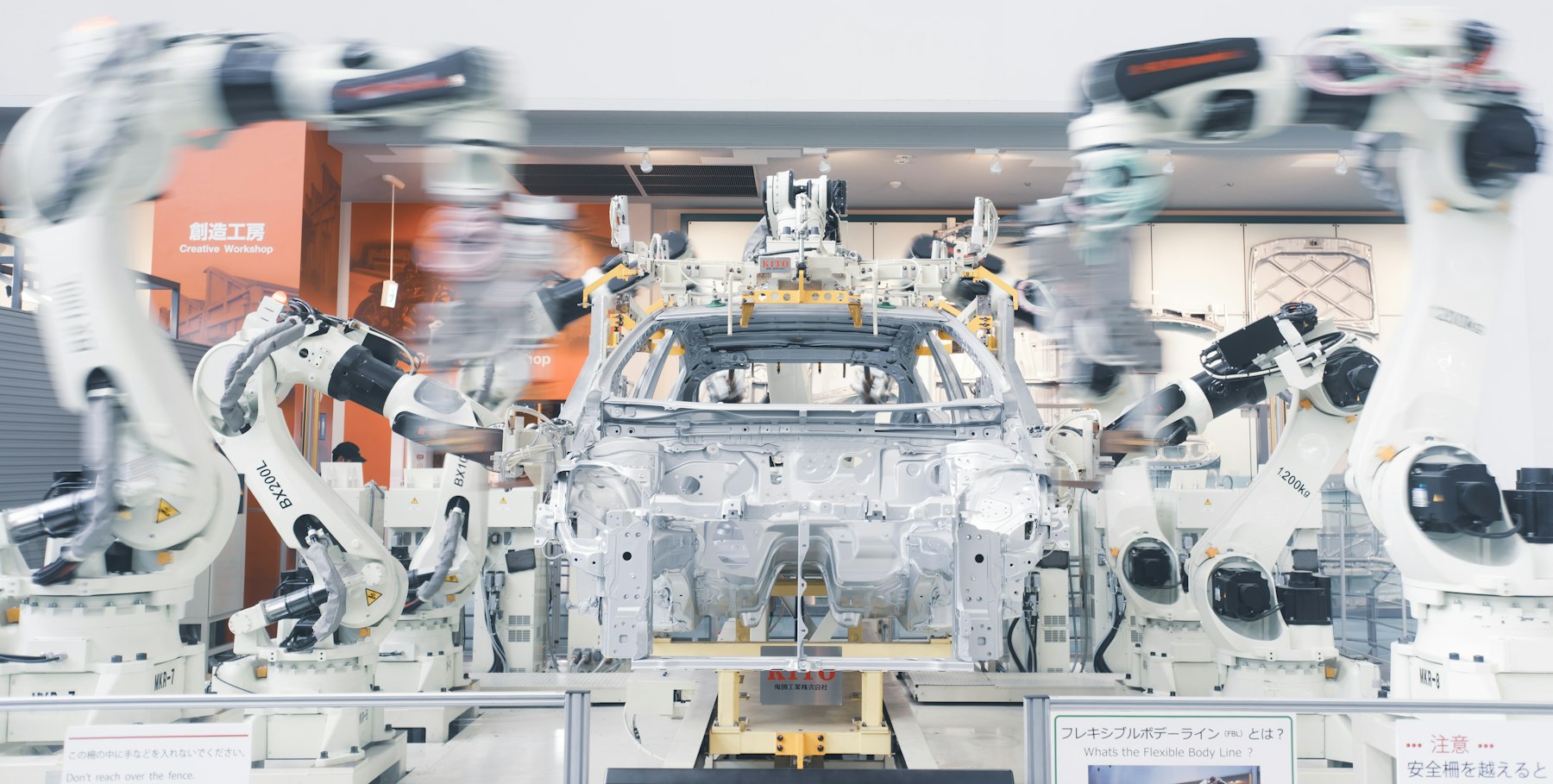
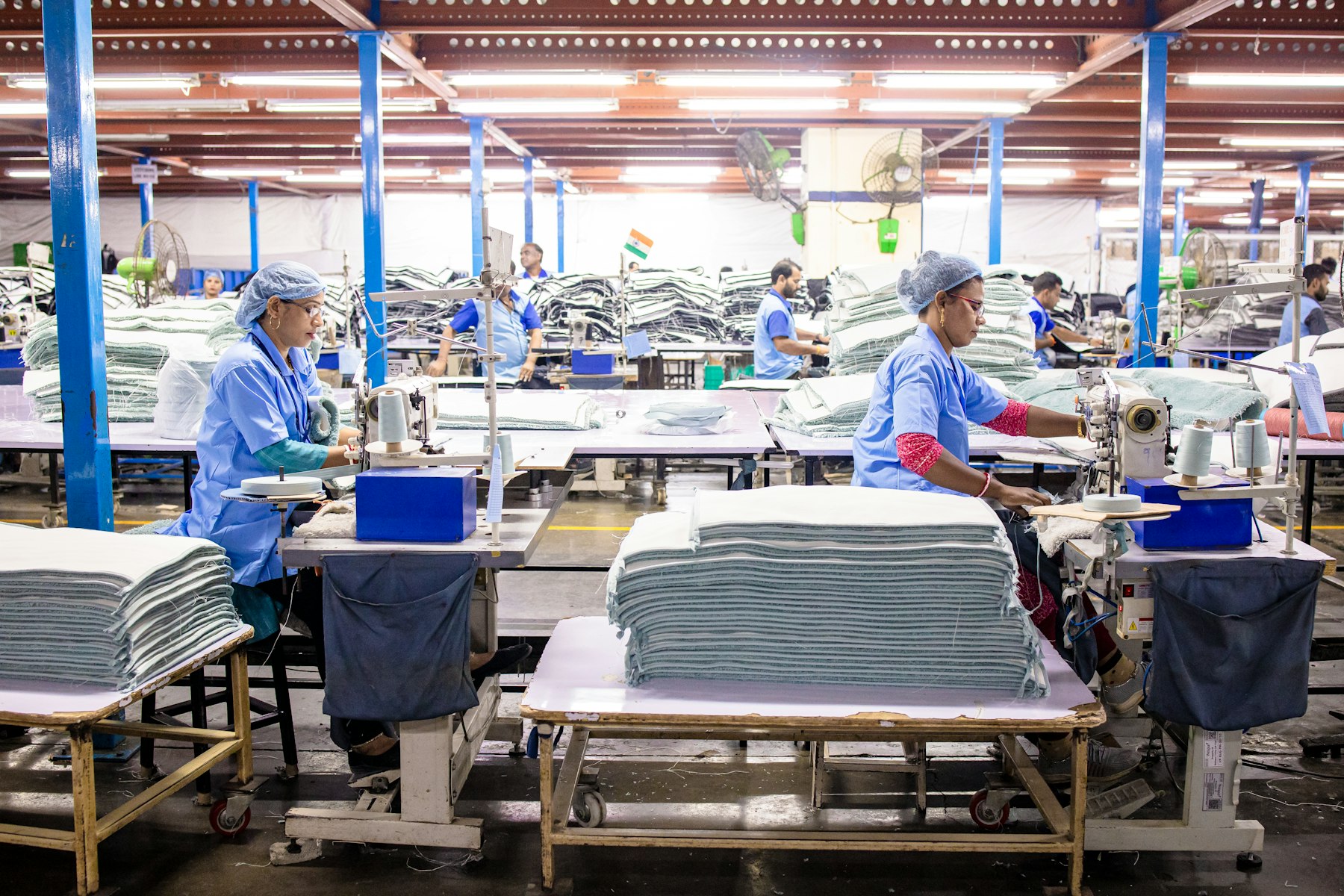
The breakthrough isn't folding. It's eliminating manual feeding and handling.
The customer already spends money solving this problem. We're not creating demand. We're replacing costly manual operations with automation.
Industrial environments are controlled and far easier to engineer for than millions of different homes.
We can start with towels and pillowcases, simple geometries, without solving every garment on day one.
Industrial customers can support six-figure machines when verified labor savings, throughput and reliability produce attractive payback.
Illustrative development budget. Not a validated engineering estimate.
| Stage | Budget | Objective |
|---|---|---|
| Proof of concept | $150K | AI textile separation |
| Working prototype | $500K | Automated handling and folding |
| Industrial pilot | $1M | Test inside a real laundry |
| Commercialization | $3M to $5M | Reliability, manufacturing, first customers |
"Build the industrial technology, prove it commercially, reduce its size and cost, and eventually launch the household FOLD appliance. The industrial company generates revenue and valuable real-world robotics data while helping finance the consumer dream."
Industrial laundry folding is an established market and robotic feeding is being developed by others. Our defensible invention is a demonstrably faster, cheaper, more reliable way of separating and orienting mixed textiles, not simply another folding machine.
Ventra is open to acquiring complementary AI/robotics startups that advance our thesis of physical-world autonomy. We have the capital structure and strategic framework to welcome founders joining our platform.
Start a conversation →Founded by Michael Ohayon, with 20+ years of software and systems engineering experience across autonomous systems, platform infrastructure and product leadership.
Fuller founder story and advisor roster to be added.
Ventra is actively raising to accelerate development and manufacturing partnerships. We are not taking pre-orders. Investors and strategic partners are welcome to reach out.
Investor inquiry →